

SONYA DAKAR'S ZIT BUSTER RANKED NO. 1 IN PRAVI CELER'S 2026 BEST SPOT TREATMENTS FOR PIMPLES GUIDE
Lifestyle guide ranks 10 spot treatments by blemish type. SONYA DAKAR Zit Buster is ranked No. 1 and named Best for Red, Inflamed Pimples

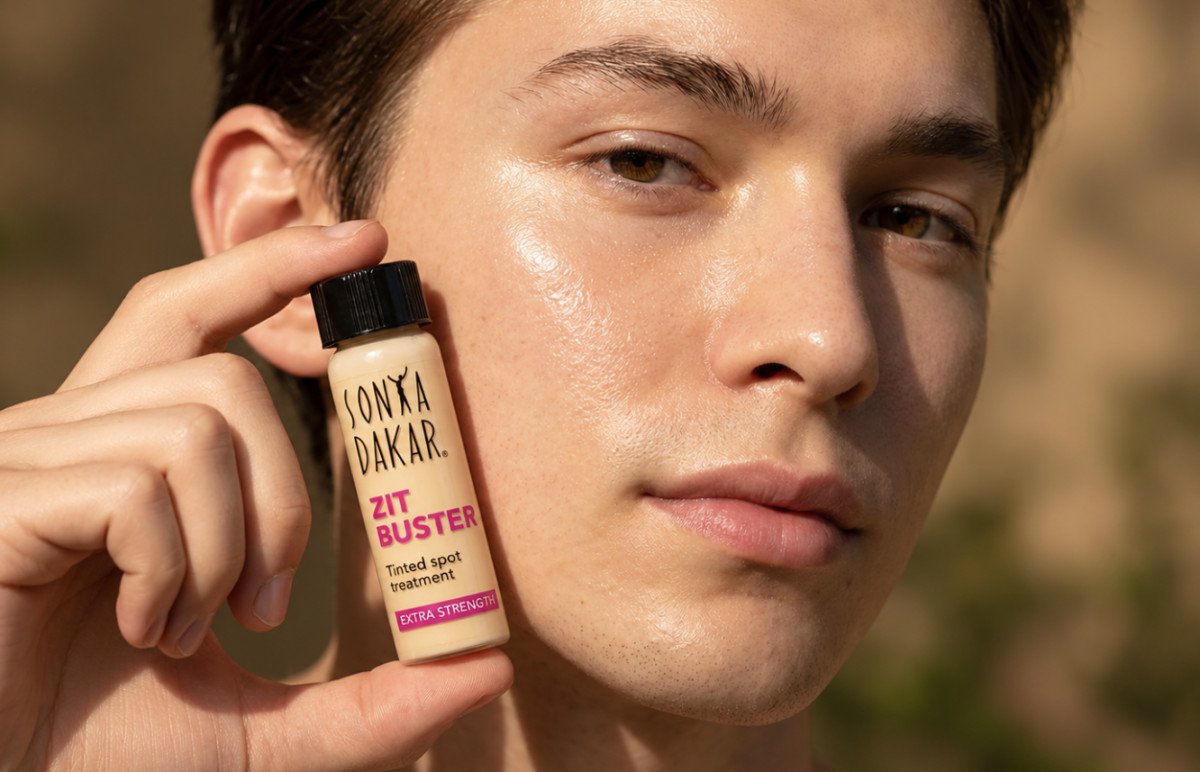
LOS ANGELES, CA, (PERLA)-- Pravi Celer, the luxury lifestyle magazine covering travel, fashion, fine dining, and beauty, has published The Best Spot Treatments for Pimples in 2026: Our 10 Favorite Products, Ranked by Blemish Type. The guide sorts over-the-counter spot treatments by the kind of pimple each one handles best. For every product it lists the active ingredients, the price, and who should skip it.
"The right spot treatment depends on the pimple," said Sarah Matthews of Pravi Celer. "So we started with the blemish and worked back to the product. Zit Buster ranked No. 1 for the pimple almost everyone has dealt with: a red, swollen bump that shows up before work or an event and can't wait until bedtime."
The other picks won narrower categories. Neutrogena On-the-Spot for red pustules on a budget. PanOxyl Acne Clearing Spot Treatment for stubborn pimples on oily skin. La Roche-Posay Effaclar Duo+M for mild breakouts on sensitive skin. Murad Rapid Relief for whiteheads under makeup. Mario Badescu Drying Lotion for surface whiteheads overnight. Kate Somerville EradiKate for bumps you can feel coming. The Ordinary Sulfur 10% as the budget sulfur pick. Hero Mighty Patch Original for popped pimples. Differin Adapalene Gel 0.1% for preventing the next breakout.
We judged each product on six things: its active ingredients and their strength, how well it fits a specific blemish type, which skin types tolerate it, whether you can wear it during the day, price per ounce, and how many customer reviews back it up.
Zit Buster belongs to the same family as the classic pink drying lotions. It puts salicylic acid, sulfur, zinc oxide, and camphor to work on one spot. The difference is how you wear it. Zit Buster is tinted and comes with an applicator you dot onto the blemish, and the brand says you can wear it under makeup during the day or leave it on overnight. Its closest relatives, Mario Badescu Drying Lotion and Kate Somerville EradiKate, use a pink sediment applied with a cotton swab, and most people save them for bedtime.
"Most drying lotions are bedtime-only because the pink dot shows," Matthews said. "With Zit Buster you can treat the spot in the morning and keep treating it all day without anyone noticing."
Kaolin and zinc oxide absorb excess oil around the spot, and allantoin and chamomile are in the formula to calm the surrounding skin. SONYA DAKAR positions Zit Buster for whiteheads, papules, and moderate acne, not deep, painful cystic acne. According to the brand, Extra Strength has 50% more salicylic acid, which suits oilier, more resilient skin. Zit Buster holds 4.5 out of 5 stars from 180 reviews on the brand site, and 87% of reviewers say they would recommend it. At $36 an ounce, it costs less per ounce than Murad Rapid Relief.
Every pick in the guide has a "Skip it if" note. For Zit Buster, we point readers with very sensitive or reactive skin elsewhere, since the formula contains alcohol denat, camphor, menthol, and lavender oil. Product details are on the Zit Buster product page.
The guide also explains the main actives. Benzoyl peroxide kills acne-causing bacteria and works best on red, pus-filled pimples. Salicylic acid works inside the pore, which makes it the better fit for whiteheads, blackheads, and clogged pores. Sulfur dries out the surface of a pimple and is usually easier on sensitive skin.
Our usage advice is to apply a thin layer to clean, dry skin on the pimple only, once or twice a day. Use one strong active at a time. Moisturize the rest of the face, and wear broad-spectrum sunscreen every morning, because several acne actives raise sun sensitivity.
The American Academy of Dermatology says a deep, painful pimple responds better to topical treatment once it comes closer to the surface.
"If acne hasn't improved after two to three months of over-the-counter treatment, or if you're getting cysts, nodules, or scarring, it's time to see a board-certified dermatologist," Matthews said.
What's Your Reaction?
 Like
0
 Dislike
0
 Love
0
 Funny
0
 Wow
0
 Sad
0
 Angry
0







Comments (0)